
On the job site
Every hour it sits, the crew stands around.
When a machine goes down on a job site, every hour it sits costs you a crew standing around. The tools, the crane and the know-how come to the machine, it gets diagnosed where it quit, and it goes back to work without a lowboy or a week at a dealer.
CP Repair is a mobile heavy equipment mechanic, not a shop. The service truck carries the tools and a crane, which means the heavy parts come off and go back on right there on the site, and the machine does not lose days waiting on a trailer and a shop bay.
Machines
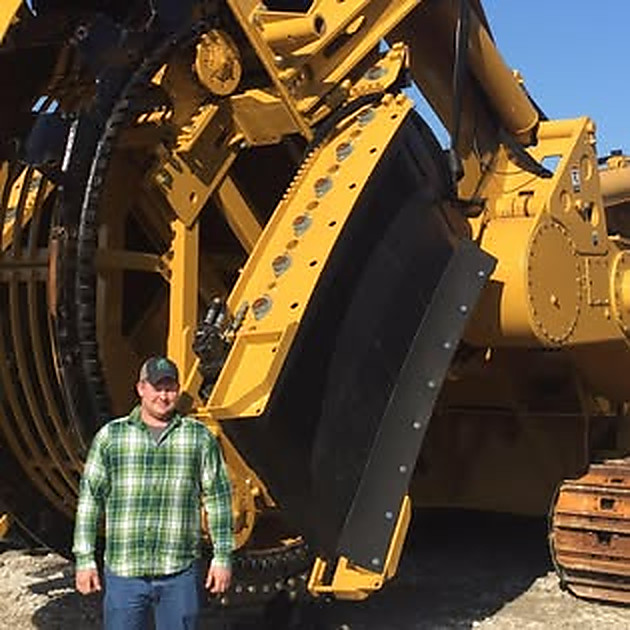
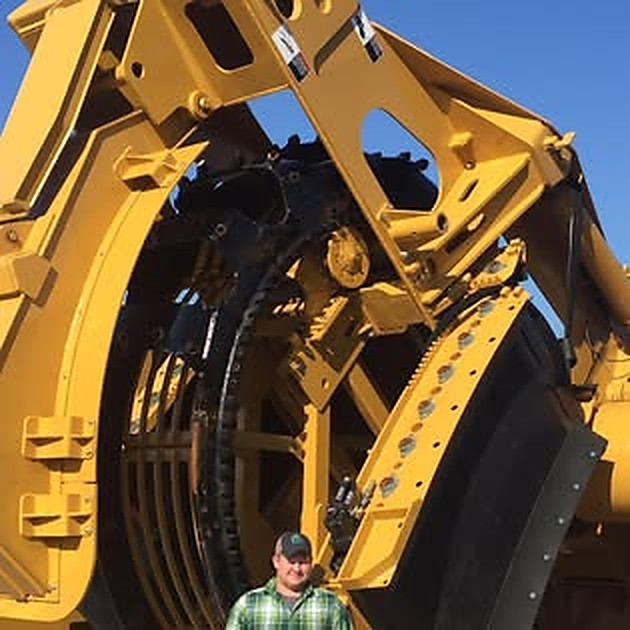
The yellow iron on a job site.
Excavator repair
Blown hoses at the boom and stick, leaking cylinders, electrical faults and engines that will not start or will not make power. Most of it gets found and fixed where the excavator is parked.
Skid steer repair
The machines that do everything on a site and get worked the hardest. Hoses, couplers, drive and lift problems, no-starts and warning codes, repaired on the spot.
Dozer repair
A dozer is not going anywhere without a lowboy, which is exactly why the repair should come to it. Engine, hydraulic and electrical problems, diagnosed on the ground.
Wheel loader and backhoe repair
Loaders and backhoes that will not lift, will not steer or will not start. The truck comes to the yard, the pit or the site, and the machine gets looked at where it quit.
What takes a machine down
The calls that come up again and again.
Most breakdowns on heavy equipment fall into a handful of problems, and nearly all of them can be handled on site.
- A blown hydraulic hose. The most common way a machine stops cold. The hose or fitting gets replaced where it failed.
- A cylinder that leaks or drifts. Weeping seals and cylinders that will not hold, found and fixed at the machine.
- It will not start. Batteries, starters, charging, fuel and wiring problems that leave a machine dead on the site.
- Warning lights and codes. A fault on the display that shuts things down or will not clear, diagnosed on site.
- It runs, but not right. Low power, overheating or smoke: the problems worth catching before they get expensive.
- Worn parts on a hard-working machine. Belts, hoses and wear items replaced before they become the next breakdown.
How it goes
From the call to back at work.
Tell us what quit
The machine, where it is, and what it did right before it went down. Call (410) 829-7982 or send the details.
Diagnosed on site
Collin finds the problem at the machine and tells you straight what it takes to fix.
Repaired where it sits
Hoses, hydraulics, engine and drivetrain work, with a crane on the truck for the heavy parts.
Equipment down right now?
Call. Don’t fill out a form.
If a machine is down and the clock is running, pick up the phone. Tell Collin what it is, where it is and what it did before it quit. A photo helps: text it to the same number.
Heavy equipment, answered.
Can you fix it on the job site?
Yes. That is what the service truck is for. Tools, parts and a crane come to the machine so it does not have to go anywhere.
Do you work on excavators and skid steers?
Yes. Excavators, skid steers, dozers, wheel loaders, backhoes and the rest of the yellow iron on a job site. Call (410) 829-7982 with the make and model.
Can you fix a hydraulic leak on site?
Blown hoses, leaking fittings and cylinders are some of the most common reasons a machine stops, and they get fixed right where it stopped. Mobile hydraulic repair.
Do you work for contractors with several machines?
Yes. Repairs when something breaks, and scheduled maintenance in your yard to keep it from breaking. Preventive maintenance.
What should I tell you when I call?
The machine, where it is, and what it did right before it went down. Codes, warning lights and a photo help. More on what to have ready.
Machine down on a job site?
Call Collin on (410) 829-7982 or send the details, and the service truck comes to the machine.